
How to Create Linkable Assets for Backlinks
In this article, we will explain how to create linkable assets for backlinks that will serve as data anchors for journalists and AI.
It’s easier than it sounds. You just need to prioritize Information Gain.
This means offering new perspectives that aren’t already in Google’s index. Most content is simply repeating the same old stuff. Break this cycle.
By introducing new data, you become the primary source others are forced to cite.
Effective, linkable assets act as autonomous sources of authority. They naturally attract mentions because they solve a problem or prove a point better than text alone.
Building these assets requires shifting from generic blogging to creating specialized entities.
These entities must offer clear, extractable value that others find necessary to cite.
This strategy solidifies your E-E-A-T signals and ensures relevance.
What are Linkable Assets?
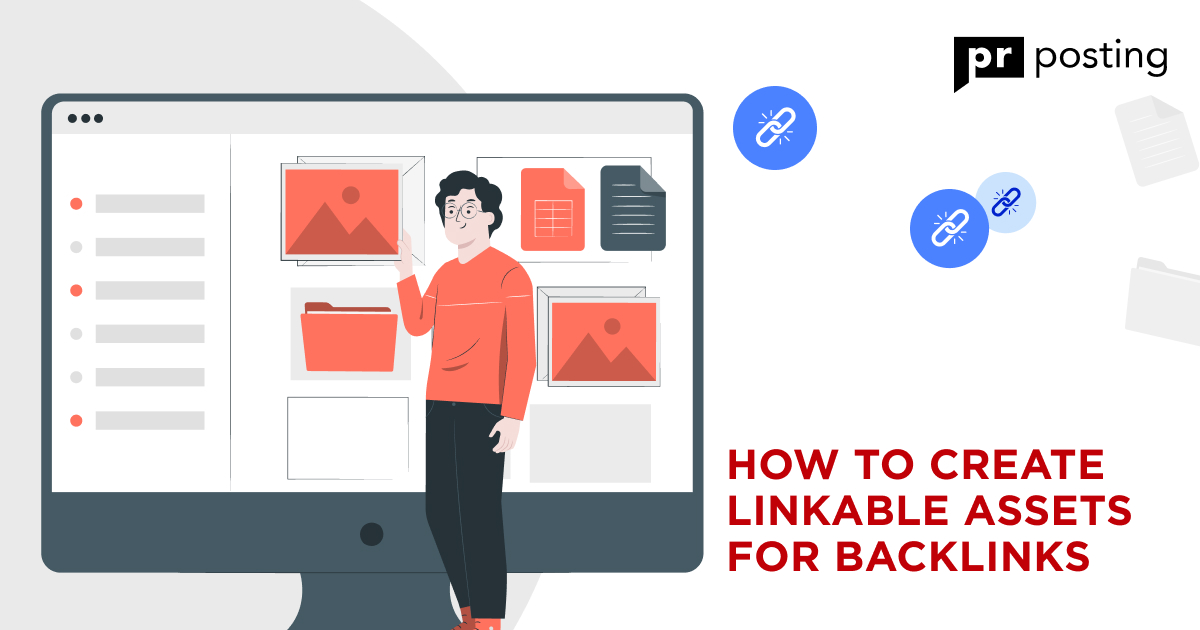
A linkable asset is content on your website that offers unique utility or proprietary data to its audience.
Its main mission is to act as a definitive reference for other content creators, reporters, and Large Language Models.
These assets provide specific answers or tools that cannot be easily replicated by competitors.
Defining the Digital Magnet
Think of a linkable asset as a destination. It is not just another article. It is a resource.
It could be a massive dataset. It could be a technical tool. Essentially, it is anything that makes a writer say, “I need to link to this.”
For artificial intelligence systems, these resources represent elements of Information Gain.
Linkable Assets for SEO
Linkable assets for SEO matter because they build a passive source for earning high-authority citations. Instead of manual outreach, these assets attract links.
They signal to search engines that your site is a leading source of information in your industry.
Why Assets Win Over Articles
Traditional link building is exhausting. It takes hundreds of emails to get one link.
- Passive Growth. Your link profile grows without constant manual effort.
- Entity Authority. Google recognizes your site as a “Seed” for specific data.
- Trust Signals. High citation counts improve your overall site reputation.
Linkable assets SEO strategies change the math. When you rank for terms like “market benchmarks,” people find you.
They link to your data to support their own claims.
Types of Linkable Assets
Understanding the different types of linkable assets helps you match content to user intent.
Not every asset serves the same purpose. You must choose a format that fits your specific niche and resources.
1. Data-Driven Assets
Data is the currency of the modern web. If you own the data, you own the links.
- Original Research. Conduct surveys or analyze public records for new trends.
- Statistics Roundups. Curate benchmarks that others are too lazy to find.
- Why does it work? Journalists need cold, hard proof. Your data provides that evidence.
2. Utility Assets
Utility is about saving people time. These are the most shared linkable assets examples.
- Interactive Tools. Build a profit calculator or a specialized assessment quiz.
- Templates & Checklists. Offer downloadable Google Sheets that simplify complex workflows.
- Why does it work? Users bookmark tools they use daily. Professionals share them to help peers.
3. Visual Assets
Sometimes, a picture is really worth a thousand links. Visuals are highly embeddable.
- Infographics. Turn dry data into a compelling story.
- Process Diagrams. Explain how a technical system works through a map.
- Why does it work? Bloggers love to use your images to improve their own posts. They give you a “Source” link in return.
How to Create Linkable Assets for Backlinks
This method builds deep entity authority. It secures your place in both traditional search results and modern AI answer engines.
- Identify specific knowledge gaps and produce original data or functional tools to fill them.
- Start by finding unanswered questions on platforms like Reddit or LinkedIn.
- Then, gather “Information Gain” through surveys or proprietary research.
- Finally, you must design the asset for high citability. This includes the use of quick overviews and embedded diagrams.
These elements allow AI engines to extract and cite your data easily.
Launching these linkable assets requires seeding them with industry leaders to spark initial momentum.
When your asset provides a result no one else offers, it becomes a permanent reference point.
Effective assets serve as a passive catalyst for growth. They turn your website into a recognized source of truth.
Strategic Development of Linkable Assets
To master linkable assets link building, you must think like a researcher.
You are not just writing a post. You’re laying the groundwork for future backlinks.
This process requires a clear workflow to ensure your content earns the attention it deserves.
- Identify the Knowledge Gap. Read forums like Reddit or Quora. Look for recurring questions that lack data-backed answers. If everyone is guessing, your data becomes the law.
- Gather the Information Gain. Collect original data. Build a tool that provides a unique result. AI models crave new input that they cannot find elsewhere in their training sets.
- Design for Citability. Content must be easy to digest. Include a summary at the top. Use clear headings and embeddable visual charts. This structure helps AI engines pull your facts for their overviews.
- Launch and Seed. You only need a few initial mentions to start the snowball effect.
Essentially, citability is the bridge between great content and actual links. If a journalist cannot summarize your point in ten seconds, they will move on. Make your data impossible to ignore.
Linkable Assets Budget-Friendly Strategies
You can implement linkable assets budget-friendly strategies and save money without depleting your budget.
Small businesses can win by leveraging existing communities and simple tools.
High value does not always require high cost. You just need a clever angle.
The “Lite” Study
Forget expensive research firms. Use a free Google Form.
Survey 100 specialists in a specific LinkedIn group. This produces original, niche statistics.
It is a gold mine for linkable assets for SEO because the data belongs only to you.
The Spreadsheet Tool
Developing a custom app is expensive. Building a high-value Google Sheet template is free.
Create a calculator that solves a specific industry pain point. Offer it without a gated wall.
People will bookmark it. They will share it and link to it.
Unlinked Brand Mentions
Use Google Alerts to monitor your brand name. Sometimes, people mention you without a link.
Contact them politely. Ask them to link to your specific “Resource” page. It is much more effective than asking for a homepage link.
Linkable Assets Analytics
Knowing how to find linkable assets analytics is vital for refining your approach.
It’s important to track which assets actually carry the most weight. Don’t focus solely on overall traffic volume.
- Referral Diversity. Check if links come from a variety of unique domains.
- Citation Velocity. Monitor how fast new mentions appear after your initial seeding.
- AI Citation Tracking. See if AI Overviews use your data as a source for common queries.
A successful linkable asset is a gift that brings constant benefits.
Over time, it will reduce the cost of your link. It turns your site into a powerful resource.
How to Find Linkable Asset Analytics
It involves monitoring specific performance metrics within Google Search Console and Google Analytics 4 to evaluate citation growth and user interaction.
To determine whether your content is a digital magnet, you need to track the unique domains from which links come. You should also consider traffic from authoritative websites and the completion of desired actions, such as file downloads.
These data points confirm that your assets provide “Information Gain” and serve as a trusted reference for human creators and AI.
Effective tracking moves beyond vanity traffic counts. It focuses on the acquisition of new entity relationships within the Knowledge Graph.
By isolating these metrics, you can identify which original research or interactive tools provide the highest return on your SEO investment.
This approach ensures your strategy remains aligned with modern search requirements.
Measuring Success in Google Analytics 4 (GA4) and Google Search Console (GSC)
You cannot improve what you do not measure. To see if your content truly earns its keep, look past basic page views. High traffic is great.
However, for linkable assets, the primary goal is earning citations.
You want other experts to use your work as a factual basis. This creates the effect of spreading your website’s authority.
- Audit Link Velocity. Watch how fast new sites mention your asset.
- Check Authority Tiers. Evaluate the quality of sites linking to your data.
- Monitor AI Mentions. Track if your content appears in LLM-generated summaries.
Tracking in Google Search Console (GSC)
Google Search Console is the most direct way to verify how to find linkable assets analytics.
- Open your GSC dashboard.
- Select the “Links” report in the left sidebar.
- Go to “External Links”. After that, to “Top Linked Pages.”
- Filter for your specific asset URL.
It shows exactly how the primary search engine perceives your link profile.
You can see which specific pages act as the strongest magnets for your brand.
This report reveals the number of unique referring domains. It is the gold standard for linkable assets link building.
If your survey or tool sits at the top of this list, it is working. You are successfully building entity authority.
Tracking in Google Analytics 4 (GA4)
GA4 provides deeper insights into how users interact with your linkable assets for SEO.
- Referral Traffic. Go to “Traffic Acquisition.” Look for sessions originating from industry journals or news outlets. This proves your asset is being cited by authoritative peers.
- File Downloads. Many assets are PDFs or spreadsheets. Activate “Enhanced Measurement” in the GA4 property. This automatically logs “File Downloads.” It shows that users find your resource valuable enough to keep.
- User Retention. Do people return to your tool? Check the “Retention” report. Repeat usage is a strong signal of high utility.
It tracks the journey of a visitor from the initial referral to the final action. Honestly, it is the best way to prove that your assets drive real engagement.
Building linkable assets is a long game. It shifts your site from being a seeker of links to a provider of value.
By using these analytics, you can refine your creative process.
Focus on what the data tells you. If your calculators get more links than your studies, build more tools.
This gives your strategy flexibility and ensures you remain the dominant player in your niche.
Summary
In 2026, linkable assets for SEO are no longer optional. They are the most effective method for securing citations within AI Overviews.
AI engines favor original, verifiable facts that only a dedicated asset can provide.
Developing these resources requires a shift in mindset. You must stop producing generic articles and start building digital tools and proprietary data sets.
This approach ensures your website remains a trusted source in the global Knowledge Graph.
It protects your online visibility against algorithm shifts. High-impact assets transform your brand into an authoritative benchmark in your industry.
Key Takeaways for Linkable Assets
To master linkable assets link building, you must understand the core principles that drive digital endorsements.
Success in 2026 depends on creating content that will serve as a strong foundation for the rest of the internet.
- Assets Equal Passive Growth. Successful assets earn links while you sleep. They reduce the need for constant, manual outreach campaigns.
- Utility Trumps Length. A simple 100-word tool often outperforms a 5,000-word guide. Users and AI prefer immediate, functional answers.
- Citations for AI. AI Overviews prioritize pages that offer original, verifiable facts. This is the heart of a linkable resource.
- Entity Authority. Links to specific assets signal to Google that you are an expert. This boosts your entire domain.
Many marketers churn out endless blog posts. Honestly, that is a recipe for invisibility.
One great linkable asset for SEO can outperform a year of low-effort content. Focus your energy on being the primary source for a specific topic.
Checklist: Is Your Content a Linkable Asset?
Before you publish, use this checklist to ensure your work has the traits of the most powerful backlink magnets.
If your content fails these tests, it might struggle to attract the citations you need.
- Information Gain. Does it provide data or insights not found elsewhere? AI engines crave new information to improve their responses.
- Embeddability. Is there a visual chart or interactive tool that others can easily feature? Visuals make it simple for bloggers to cite you.
- Specific Answers. Does the asset answer a clear “how much” or “how to” question? Direct answers are highly quotable for journalists and LLMs.
- Journalist Friendly. Can an editor cite your main finding in a single sentence? Clarity is the key to widespread distribution.
Imagine a reporter is on a tight deadline. They need a stat to back up their story.
Can they find it on your page in three seconds? If the answer is no, you need to simplify your design. Clear headings and bolded data points are essential.
Conclusion
Mastering how to create linkable assets for backlinks is essential for any digital brand.
You move from chasing the algorithm to becoming a part of the algorithm’s foundation. By building tools, research, and visuals, you provide the “Information Gain” the modern web requires.
This strategy builds lasting authority that competitors cannot easily replicate. It secures your presence in AI answers and traditional search alike.
Start small. Maybe launch a simple calculator or a survey of your existing customers.
Use analytics to see what resonates with your audience. Over time, these assets will become your most valuable assets.



More Like This