
How Long Does It Take for Backlinks to Work?
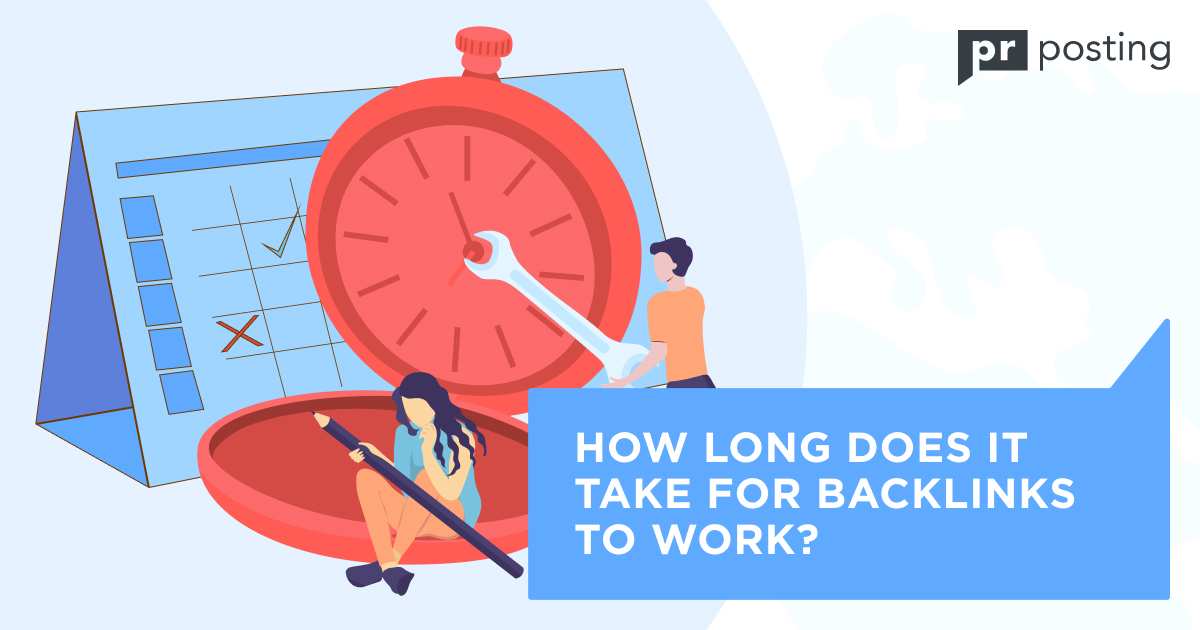
Most links need time before they show any clear lift. Some spark movement in a few weeks. Others sit silent for months.
Search engines check link quality, source trust, and link fit for your page. These checks take time. So, do not expect instant jumps. Expect slow shifts.
A new link can help early, but the real gain often comes with patience.
Think of each link as a quiet signal that grows stronger as search engines revisit the page.
You can expect the first hint of change within two or three weeks. But full strength may take longer.
Many pages reach peak lift near the three-month mark. Some take more.
The pace depends on link type, site health, and how often search engines scan the linking page.
How Long Does It Take for Backlinks to Show Up
The influence of backlinks doesn’t follow a single rhythm. Several elements shape the end result.
Some help with fast lift. Some slow it. Each plays a part.
Authority of the Lnking Website
Links from strong sites help more and often act faster.
Search engines trust them. Their pages get scanned often. That quick scan can boost your page faster than a link from a quiet site.
Useful points:
- Strong sites get frequent visits from search engines.
- Their links bring faster notice.
- Their trust score passes to your page with more weight.
Type of Backlink
The link format matters. A good contextual link carries clear signals. A simple footer link offers less.
A guest post link sits close to user intent. It sends a clear value.
Watch for these link types:
- Contextual link in a clear and direct paragraph;
- Guest post link placed with real care;
- Resource link in a guide or list.
Each type varies in speed and reach. Contextual links often rise first.
Strength of Anchor Text
Anchor text instructs search engines about the content of your page.
Clear anchor text works faster. Vague text slows the lift.
Key tips:
- Use clear terms that match your topic.
- Keep anchor text natural.
- Avoid long anchor text packed with many keywords.
Good anchor text can help pages appear earlier in search results for related queries.
Indexing Rate of the Linking Domain
Some domains get scanned fast. Others wait longer. A slow-scanned domain delays link impact.
You can check signals:
- New posts get indexed fast.
- Old pages get visits often.
- Errors appear rare.
If a domain has steady index activity, your link may show its lift sooner.
Competition for the Target Keyword
Tough terms slow link impact. Lighter terms move faster. Strong rivals push you to earn more links before you see change.
Think about these factors:
- Rival count for the same term.
- Rival link strength.
- Rival page age.
Pages in a competitive field may wait long before any clear rise. In that case, results take more time.
How to Make Backlinks Work Faster
Many site owners ask how long does it take for new backlinks to show up.
The pace depends on your effort and how clearly search engines read your signals.
You can push that pace a bit. Not with tricks. Just a few simple steps to help search engines notice your page.
Some steps take minutes. Some take steady care. Each helps the link to show its value faster.
So, try a mix. Test what fits your page. Small moves can shape faster gains.
Improve Indexing Speed
Faster scans lead to faster link impact. Search engines need quick access to your pages.
If they can easily access them, your links will be able to demonstrate their value faster. This is important if you want to get early clues.
Internal links to the target page
Add clear internal links to your target page. A short link on a strong page can guide crawlers fast.
Try these moves:
- Place the link in a new article.
- Add one link from a top traffic page.
- Keep anchor text clean and simple.
Regular content updates
New content gets scanned often. Update your page with real value. Simple changes count.
Use steps like:
- Add a short new note.
- Refresh an old statistic.
- Remove obsolete content.
Each update draws a new crawl cycle. That helps your new links pass their value with less delay.
Submit URL via Search Console
You can nudge the process with Search Console. Submit your page for quick checks.
This does not grant magic lifts. But it can speed up the first scans. That small push may help your new backlinks act sooner.
Build Links Gradually for Natural Growth
A sudden spike can look strange. Slow growth feels real. Add links at a steady pace.
One link every few days works fine. Let search engines see calm progress.
Useful ideas:
- Spread links across varied pages.
- Mix sources.
- Keep the flow even.
- This steady pattern can support faster trust over time.
Combine Backlinks with Content Optimization
Links work best with relevant content. Strong content helps the link pass clear signals. If the page reads poorly, the link loses strength.
Try this blend:
- Improve page headings.
- Add short, helpful lines.
- Remove fluff that drags readers.
Good content and good links work as one. They lift your page faster.
When Backlinks Do Not Work
Some links fail. They sit silent. No shit. No signal.
The cause often feels simple but easy to miss. Check these points before you lose hope. A small fix can save the link.
Low-quality Links or Spam
Thin links fail fast. They bring no trust. Some even harm your page.
Avoid links on pages with:
- Fake content;
- Odd link patterns;
- Weak page signals;
- Good links matter more than many links.
No Indexing from Google
If a linking page never gets scanned, the link stays idle.
Watch for signs:
- New pages stay unseen.
- Old pages vanish.
- Fix the base issue or move on.
Weak or Irrelevant Linking Pages
A link from a random page holds low value. It may never help you rank.
Look for pages that:
- Match your topic.
- Hold real traffic.
- Show fresh updates.
Algorithm Changes Affecting Link Value
Search engines shift rules. These shifts can mute some links. The link may still work later. Or it may fade.
Keep an eye on algorithm updates. Adjust your link plan if patterns change. This will help you maintain confidence even as signals change.
Final Thoughts
The impact of backlinks is rarely immediate. Some achievements emerge early on. Others come much later.
Site owners ask how long does backlink take to work? The answer varies with each page and link source. The pace shifts with crawl rates, link strength, and your own site health.
You might see a slight lift in a few weeks. Or you may wait far longer.
Search engines move at their own pace. They weigh each signal with care, though you rarely see that process. So patience matters here.
What Timelines to Realistically Expect
Expect a slow start. Most pages wait for crawlers. Some crawlers move fast. Others drift.
You may see early hints in two to four weeks. Full lift often waits three months or more:
- Small shifts in the first month.
- Clearer moves in the second month.
- Stronger lift in the third month.
But nothing fits all sites. Each page has its own limits. Each link carries its own weight. Seek slow growth. Let time settle the signals.
How to Monitor Backlink Performance
Track your links with calm care. Do not chase each tiny jump. Look for steady signs.
Useful steps include:
- Check new link scans.
- Review your search impressions.
- Watch small rank shifts.
- Compare page views over time.
Most data takes time to settle. Give each update some time. Quick checks may mislead you.
If you see signs, pause. Then study your link list.
Some links fade. Some vanish. Some gain new life only after a new crawl.
You can also check:
- Anchor text changes.
- Source page updates.
- Index delays.
- Each clue helps you read your link path with more ease.
Long-term Link-building Strategy
A long plan wins here. Short bursts rarely last. Craft a calm flow of clean links. Pair those links with strong content. The mix shapes real lift.
Try these steps for steady growth:
- Seek links from high authority pages.
- Add new content on a regular basis.
- Refresh old posts with new lines.
- Build internal links that guide crawlers.
A long-term plan also softens shocks from sudden algorithm shifts. Your links remain reliable. Your pages remain clean.
In the end, long work wins. Quick tricks fade. Patience builds the final result you want.



More Like This
Types of Backlinks That Strengthen Domain Authority
Powerful Backlinks That Improve Online Visibility